Take a Closer Look at 7 Little-Known Facts About Tulips
Posted on 21/08/2025
Take a Closer Look at 7 Little-Known Facts About Tulips
Tulips are one of the world's most beloved and recognizable flowers. Their vibrant colors and elegant shapes grace spring gardens and bouquets, making them a perennial favorite. However, there are many surprising facts about tulips that even avid gardening fans often overlook.
Let's take a closer look at seven little-known facts about tulips, exploring their history, symbolism, unique characteristics, and much more. Whether you're a casual admirer or a dedicated horticulturist, these intriguing tidbits will deepen your appreciation for these beautiful spring blooms.
1. Tulips Did Not Originate in the Netherlands
When you think of tulips, vast fields in the Netherlands likely come to mind. But did you know that tulips are not actually native to the Dutch landscape?
- True Origins: Tulips originated in the mountainous regions of Central Asia, specifically the Tien Shan and Pamir Alai ranges.
- Wild Species: There are approximately 75 wild species found across Kazakhstan, Uzbekistan, Kyrgyzstan, and parts of China.
- Journey to Europe: These wild tulips were first cultivated by the Ottoman Empire (modern-day Turkey) before making their way to Europe in the sixteenth century.
Fact Highlight: The name tulip comes from the Turkish word tulbend or "turban," inspired by the flower's unique shape.
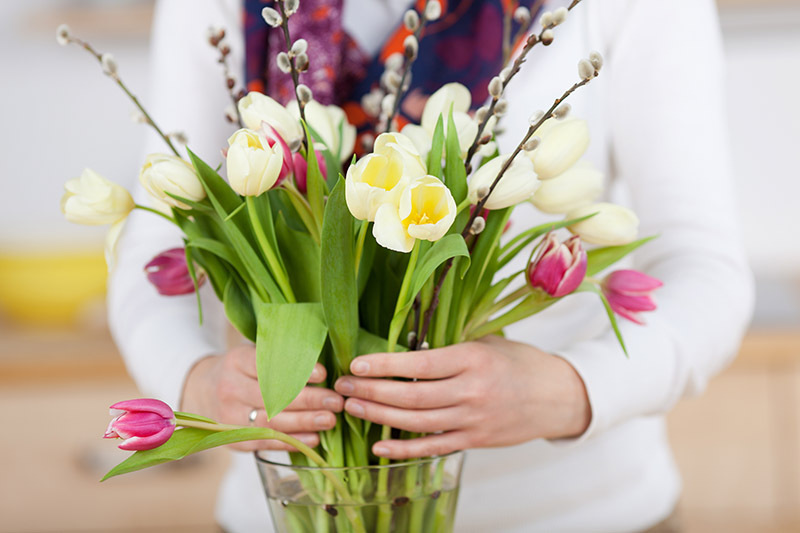
2. Tulip Mania: One of History's First Financial Bubbles
The tulip is more than a pretty flower--it once played a central role in one of the first recorded financial bubbles in human history. This phenomenon, known as Tulip Mania, captivated the Dutch Golden Age in the early 1600s.
- Economic Craze: Tulip bulbs became so valuable that their prices skyrocketed, with some rare varieties costing more than a house!
- Trade Frenzy: Bulbs were traded on the stock market, and speculation ran rampant among all classes of society.
- Bubble Burst: In 1637, prices crashed overnight, leaving many investors ruined. The Dutch economy, however, endured, with the tale of Tulip Mania serving as a cautionary anecdote on the perils of speculation.
The story of Tulip Mania continues to be studied by economists and historians as a classic example of market speculation and human behavior.
3. Tulips Weren't Always Grown for Their Colors
Most people are drawn to the astonishing palette of tulip colors, from vivid reds and yellows to soft pastels and deep purples. But did you know that the original wild tulips were far less colorful?
- Natural Hues: Wild tulips predominantly featured shades of yellow and red, sometimes with striped or flamed patterns caused by viral infections in the plant.
- Genetic Breeding: Centuries of selective breeding by gardeners and botanists have resulted in over 3,000 unique varieties we see today.
- Breaking Tulips: The mesmerizing "broken" patterns, once highly prized during Tulip Mania, were actually the result of a virus known as tulip breaking virus that inhibits pigment formation, creating a streaked effect.
Tulip breeding continues to unlock new color combinations and traits, ensuring that tulips remain one of the most diverse and exciting garden flowers.
4. Tulips Have Multiple Symbolic Meanings Across Cultures
While the red rose is famous for symbolizing love, tulips have their own deeply rooted symbolic significance in many cultures across the world:
- Love and Passion: In Western cultures, particularly in the Victorian era, red tulips signified true love and were exchanged by lovers.
- Royalty and Prosperity: In Iran and Turkey, the tulip is a symbol of abundance, paradise on earth, and royalty. The Ottoman sultans used tulip motifs in art, textiles, and architecture.
- Rebirth and Spring: As early-bloomers, tulips are associated with renewal and the arrival of spring in many traditions worldwide.
Every tulip color also has a specific meaning:
- Red tulips: Passionate love
- Yellow tulips: Cheerfulness and sunshine
- White tulips: Forgiveness and purity
- Purple tulips: Royalty and nobility
- Pink tulips: Happiness and good wishes
5. Not All Tulips Are Edible--Some Can Be Toxic
During challenging periods, such as World War II's infamous "Hunger Winter" in the Netherlands, tulip bulbs were ground into flour and consumed as a last resort food. But caution is required:
- Tulip bulbs contain toxic compounds, especially in the outer layers, that can cause nausea, vomiting, and irritation if eaten raw or in large quantities.
- Some species and hybrids are more toxic than others. Proper preparation and leaching out harmful compounds is essential if bulbs are ever consumed.
- While various historical sources mention that tulip petals can be used sparingly as edible garnishes, it is best to proceed with caution and only consume those grown organically and free of pesticides.
Modern research generally advises against eating tulip bulbs or other parts unless you have expert guidance. They are best appreciated for their beauty rather than their taste!
6. Tulips Can Bloom in Near-Freezing Temperatures
One of the lesser-known yet remarkable characteristics of tulips is their robust tolerance for cold. Tulips are among the earliest spring flowers, often blooming while there's still a chill in the air.
- Natural Dormancy: Tulip bulbs undergo a mandatory cold period (vernalization) over winter, which is essential for triggering bloom in spring.
- Frost Resistance: Tulip blooms can survive light frosts and even snow, making them a symbol of hope and resilience.
- Planting Tips: Bulbs should be planted in the fall, before hard frosts begin, to ensure strong roots and abundant spring flowers.
These unique adaptations mean that tulips can thrive in gardens from northern Europe to North America, delighting people with their bold color when most other plants are still dormant.
7. Modern Tulips Inspire Art, Fashion, and Festivals
Far beyond their botanical value, tulips have shaped human culture in fascinating ways, continuing to inspire artists, designers, and communities worldwide.
- Artistic Influence: From Ottoman textiles to Dutch masterpieces, tulip motifs have adorned paintings, ceramics, and fabrics for centuries.
- Festivals: Dozens of annual tulip festivals celebrate these blooms globally, including the renowned Keukenhof Gardens in the Netherlands and the Canadian Tulip Festival in Ottawa. Millions of visitors flock to see stunning displays, learn about tulip history, and join in cultural festivities.
- Fashion and Design: Tulip shapes inspire modern fashion, jewelry, and interior design trends, with designers drawn to their symmetrical blooms and vivid colors.
Today, you'll find tulips at the heart of community celebrations, works of art, and cutting-edge designs, reminding us of their lasting impact on creativity and human expression.
Additional Fascinating Facts about Tulips
Extravagant Varieties and Rare Colors
Black tulips--long thought impossible--were achieved after centuries of breeding efforts, resulting in dramatic, near-black cultivars like 'Queen of Night.' There are also fringed, peony-flowered, parrot, and lily-flowered tulip types, showing the boundless diversity within the tulip family.
Global Popularity and Economic Impact
Over one billion tulip bulbs are cultivated in the Netherlands each year, making the country the world's largest exporter. Tulip farming significantly contributes to the local economy and supports both traditional agriculture and tourism industries.
Tulip Bulbs as Gifts
Each spring, the Netherlands sends thousands of tulip bulbs to Canada--a heartfelt tradition to thank Canadians for their role in liberating the Netherlands during World War II. This powerful gesture ensures international friendship blossoms with the same resilience as the tulips themselves.

Tips for Growing Beautiful Tulips At Home
If you're inspired by the fascinating world of tulips and want to bring their beauty to your own garden, here are some expert tips:
- Choose Quality Bulbs: Select large, healthy bulbs from a reputable source for best results.
- Planting Depth: Plant bulbs three times as deep as their height (typically 6-8 inches for standard varieties).
- Soil Drainage: Ensure well-draining soil to prevent bulb rot. Raised beds or sandy soil are ideal.
- Watering: Tulip bulbs need moisture to establish roots but dislike soggy conditions. Water after planting and then only if there's a dry spell.
- Sun Exposure: Full sun encourages strong stems and abundant blooms.
- Prevent Pests: Protect your bulbs from rodents using wire mesh or repellents.
- After Bloom Care: Let foliage die back naturally, as this feeds the bulb for next year's flowers.
Pro gardeners often "layer" bulbs by planting early, mid, and late-season varieties together for a longer and more dynamic display.
Conclusion: Tulips--A World of Hidden Wonders
Tulips are far more than just springtime beauties. Their rich history, global journey, economic influence, and enduring symbolism make them a flower of great intrigue. By taking a closer look at these seven little-known facts about tulips, we gain a deeper appreciation for the quiet magnificence and surprising stories within each blossom.
Whether you're marveling at their vibrant colors in a garden, gifting a bouquet to a loved one, or discovering their resilience through history, the humble tulip continues to enchant and inspire. Next time you spot a tulip, take a moment to ponder the centuries of adventure, artistry, and wonder it represents.
Related Resources:
- Keukenhof Gardens
- Canadian Tulip Festival
- Royal Horticultural Society: Tulips
- Tulip Mania: Wikipedia
Looking to grow tulips? Explore our comprehensive tulip care and planting guides and let your own tulip journey begin!
Latest Posts
The Connection Between Love and Red Roses on Valentine's
Take a Closer Look at 7 Little-Known Facts About Tulips
Grace Your Home with Exquisite Orchid Care